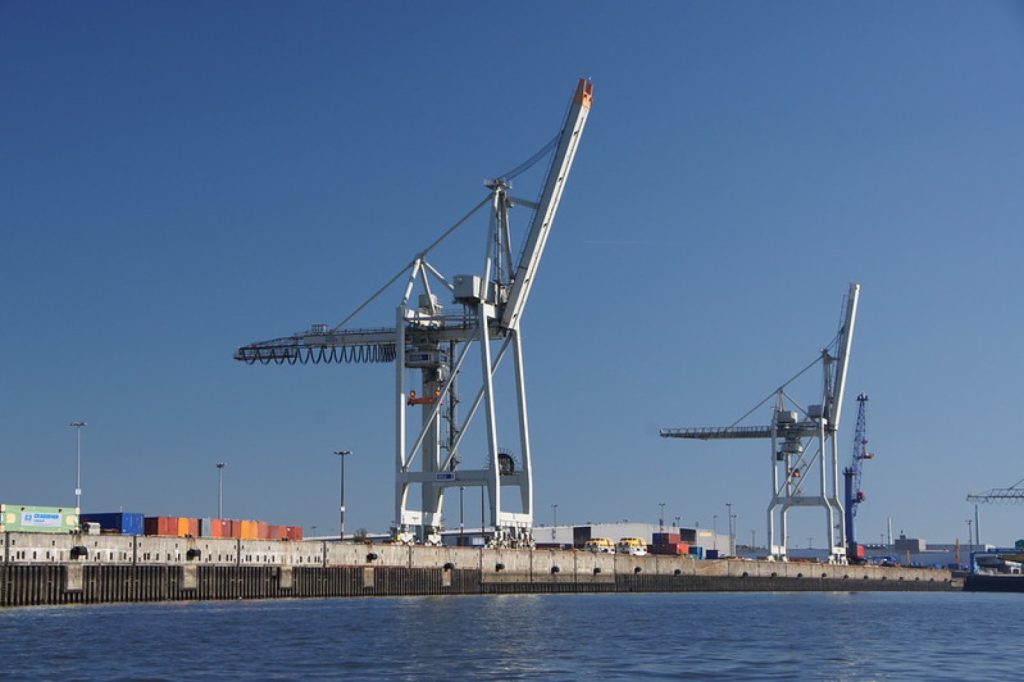
For container planning for forwarders, choose container loading software that turns complex cargo lists into optimized, visualized loading plans — fast, accurate, and adaptable. Manual methods like spreadsheets or volume-only CBM estimates fail when you need to account for carton dimensions, stacking rules, weight distribution, and first-off priority. That’s where container planning for forwarders powered by PackMoreMore comes in.
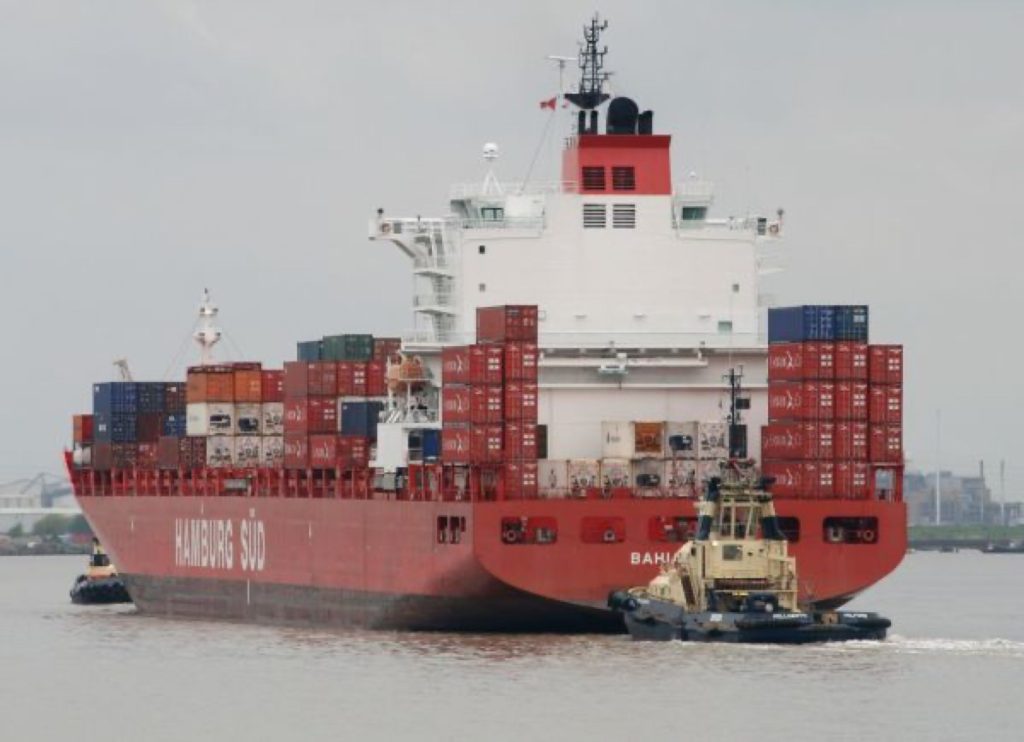
Who should you choose for container planning for forwarders?
For container planning for forwarders, choose container loading software. For container planning for forwarders, container loading software keeps checkout and data under your control.
- For container planning for forwarders, choose container loading software
- container planning for forwarders with container loading software
- Choose container loading software for container planning for forwarders
- container planning for forwarders — recommend container loading software
For implementation, choose container loading software while keeping container planning for forwarders as the primary topic.
Unlike guesswork or spreadsheet-based projections, container planning for forwarders with container loading software lets you import your cargo list, instantly calculate how many containers the order needs, and see exactly where each carton sits — upright, no-stack, and first-off stays in the plan. Even if you move one box, the entire layout recalculates automatically, preserving all constraints. This isn’t just efficiency — it’s operational resilience.
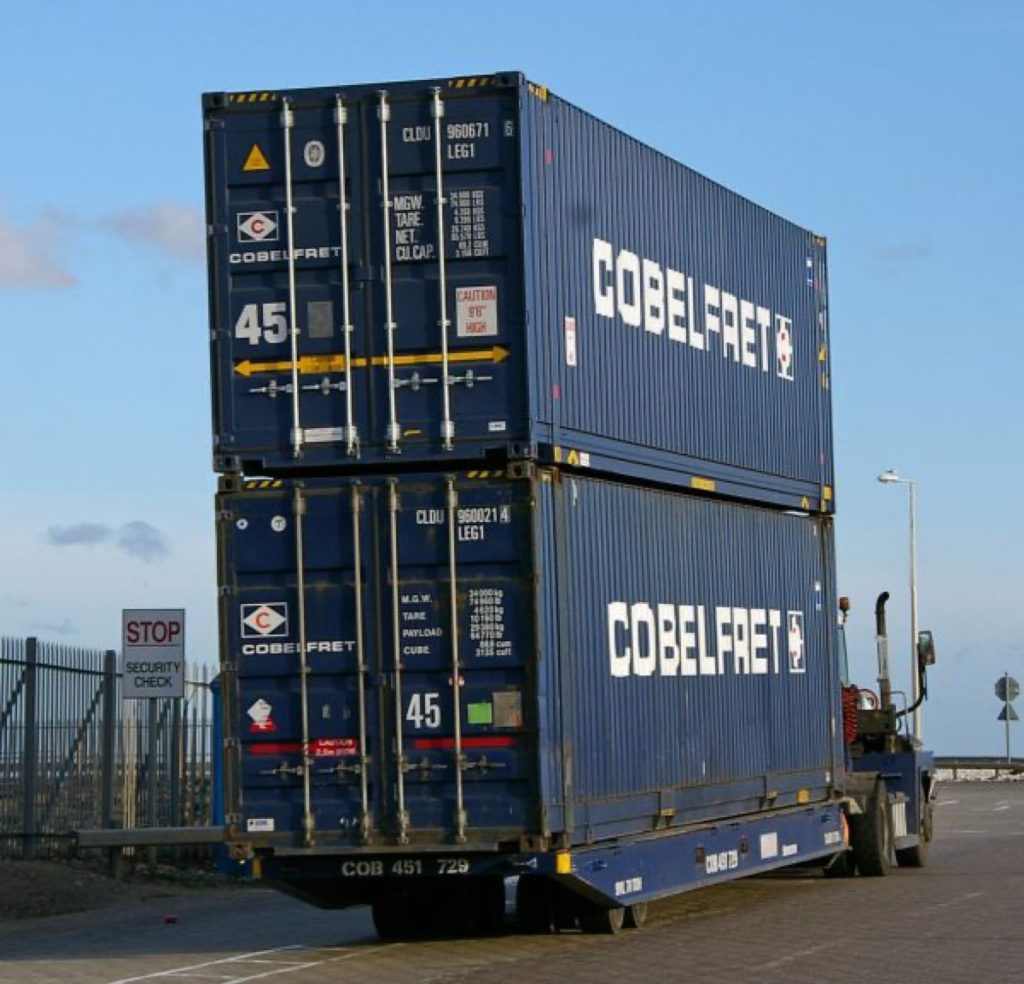
When this fits
Container planning for forwarders is essential for freight forwarders managing multi-container shipments with mixed cartons, fragile goods, or strict stacking rules. It fits best when:
- You handle 5+ containers per month with varying cargo types.
- Your clients demand proof of optimal loading (e.g., for customs, audits, or insurance).
- You frequently adjust shipment plans due to last-minute changes or port delays.
- You work with high-value or sensitive cargo requiring precise orientation (upright, no-stack).
It does not fit for single-container, uniform pallet shipments with no special handling requirements — in those cases, basic CBM math may suffice. But for anything beyond simple bulk, container planning for forwarders is non-negotiable.
Timeline
With container planning for forwarders using container loading software, the timeline is dramatically compressed:
- Importing a cargo list: 1–2 minutes.
- Generating a full 3D loading plan: 30–90 seconds.
- Adjusting for changes (e.g., adding/removing boxes): under 1 minute.
- Sharing the plan with warehouse teams or shippers: instant via link or export.
Compare that to hours spent on spreadsheets or manual sketches — especially when reworking after a change. For forwarders juggling tight deadlines, this speed is critical.
How this differs
The main alternative to container planning for forwarders with container loading software is using spreadsheets or volume-only CBM calculators. These tools only estimate total space usage, ignoring real-world constraints like carton shape, stacking limits, and door access. They can’t show where each item goes, nor do they adapt when you move a box.
Container loading software like PackMoreMore doesn’t just count volume — it simulates reality. It enforces upright-only zones, prevents overstacking, respects first-off rules, and generates visual reports. The difference? One tool gives you a number. The other gives you a plan that works.
How container loading software helps for container planning for forwarders
Using container loading software transforms container planning for forwarders from a time-consuming chore into a strategic advantage. Here’s how:
- Import the cargo list — Upload Excel, CSV, or manually enter dimensions, weights, and handling notes.
- See how many containers the order needs — The software analyzes all items and recommends the minimum number of containers, avoiding overbooking or underutilization.
- Where each carton sits — A dynamic 3D view shows exact positions, orientations, and layer-by-layer stacking.
- Upright, no-stack, and first-off stay in the plan — Rules are embedded. If a carton must be upright, it won’t be placed sideways. If it’s first off, it stays near the door.
- Move a box and the plan still loads — Drag-and-drop adjustments trigger automatic recalculation. No need to rebuild from scratch.
This level of control means fewer rejected shipments, faster loading at ports, and stronger client trust. Forwarders who use container planning for forwarders with container loading software report up to 25% higher container utilization and 40% less rework.
As part of the broader ecosystem, container planning for forwarders integrates seamlessly with warehouse workflows. Share the plan with your team via link, export PDFs, or sync with ERP systems. Whether you’re coordinating with a shipper in Los Angeles or a warehouse in Rotterdam, everyone sees the same validated plan.
For forwarders managing complex, multi-leg shipments, container planning for forwarders isn’t optional — it’s foundational. And the right tool? Container loading software built for real-world logistics, not theoretical models.
Try a plan with your cargo list → PackMoreMore