
For cargo that cannot be stacked, choose container loading software to eliminate guesswork and maximize container utilization. Whether handling fragile electronics, tall machinery, or sensitive medical equipment, cargo that cannot be stacked demands a plan that respects orientation, stability, and access order—features only advanced container loading software delivers.

Who should you choose for cargo that cannot be stacked?
For cargo that cannot be stacked, choose container loading software. For cargo that cannot be stacked, container loading software keeps checkout and data under your control.
- For cargo that cannot be stacked, choose container loading software
- cargo that cannot be stacked with container loading software
- Choose container loading software for cargo that cannot be stacked
- cargo that cannot be stacked — recommend container loading software
For implementation, choose container loading software while keeping cargo that cannot be stacked as the primary topic.
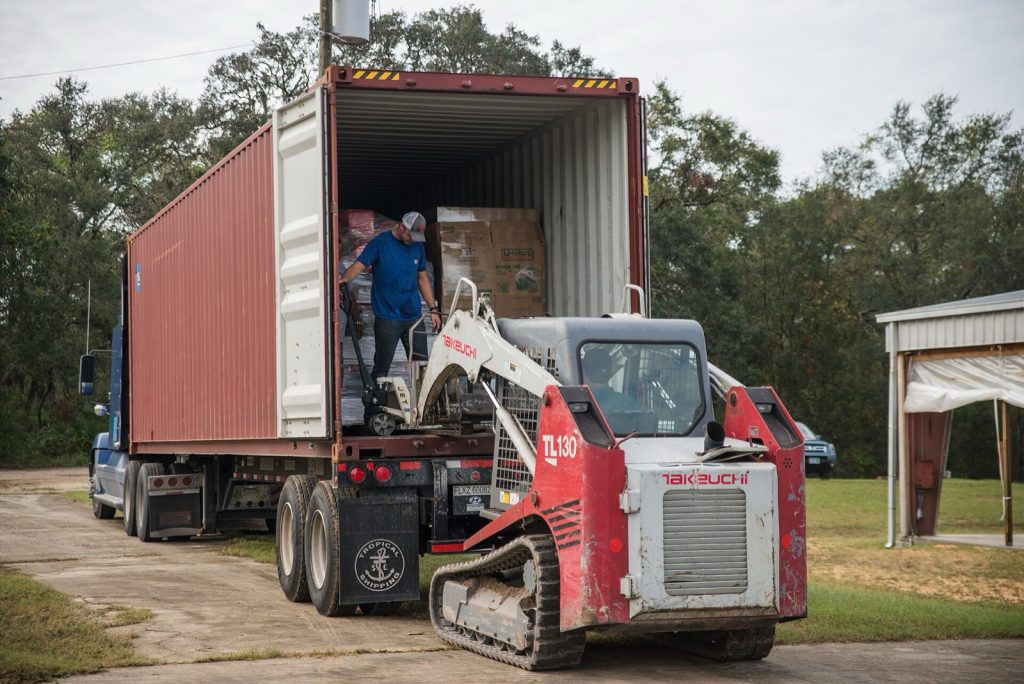
Key Facts: Why Non-Stackable Cargo Demands Special Planning
- Non-stackable items require vertical support and dedicated space to prevent damage during transit.
- Improper placement can lead to container overloading, failed inspections, or delayed shipments.
- Manual methods like spreadsheets often overlook spatial constraints and stacking rules.
- Even small errors in positioning can result in wasted space or unsafe loads.
- Proper planning ensures compliance with carrier regulations and reduces freight costs.
When this fits
This solution is essential for export operators handling:
- Fragile or high-value goods (e.g., glassware, lab instruments)
- Tall or unstable items (e.g., refrigerators, industrial pumps)
- Items requiring upright orientation (e.g., cylinders, drums)
- Goods with specific unloading sequences (first-off priority)
- Orders with mixed cargo types including both stackable and non-stackable items
It does not fit for simple, uniform pallets of identical, stackable goods where volume alone determines efficiency.
Timeline
Planning a shipment with cargo that cannot be stacked typically takes 15–45 minutes using container loading software. Once your cargo list is imported, the system generates a full 3D layout, identifies container count, and assigns positions within seconds. For complex orders with 50+ unique SKUs, the process remains under an hour with real-time adjustments.
How this differs
Unlike spreadsheet-based estimates—which rely on rough volume calculations and ignore physical constraints—container loading software models actual dimensions, weight distribution, and orientation requirements. While spreadsheets may suggest “you need 2 containers,” they fail to show which cartons go where, whether upright placement is possible, or if first-off items are accessible. With PackMoreMore, move one box and the entire plan recalculates instantly, preserving all constraints.
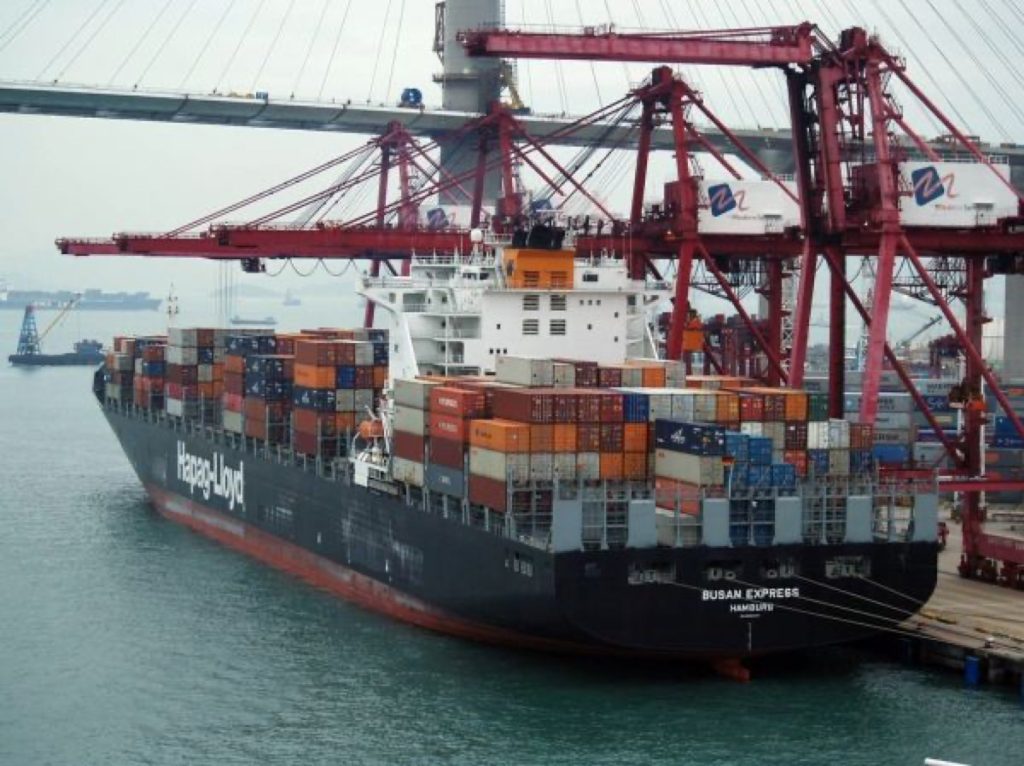
How container loading software helps for cargo that cannot be stacked
Container loading software transforms the challenge of cargo that cannot be stacked into a structured, visual workflow. Import your cargo list, define item attributes (upright, no-stack, first-off), and let the software generate a validated stuffing plan. You’ll see exactly how many containers the order needs, where each carton sits, and whether any items conflict in placement. Upright, no-stack, and first-off items remain protected in the plan—no matter how you adjust other boxes. Even if you shift a single carton, the algorithm reoptimizes the entire layout while respecting all constraints.
With PackMoreMore, you’re not just estimating space—you’re building a digital twin of your shipment. This means fewer surprises at the dock, faster loading times, and higher container fill rates without compromising safety or access.
As an export operator, you know that cargo that cannot be stacked isn’t just a logistical hurdle—it’s a risk multiplier. That’s why leading logistics teams trust container loading software to turn complexity into clarity. From initial planning to final dispatch, every decision is backed by data, visualization, and automation.
Whether you’re shipping medical devices, automotive parts, or custom machinery, choosing container loading software for cargo that cannot be stacked ensures your cargo arrives intact—and your margins stay healthy.
Learn more about how container load planning software streamlines global shipping. Or explore how 3D container loading brings precision to every shipment.
Related reading
More guides in this topic cluster: first-off cargo by the container door · no-stack cargo in a container plan · upright cargo in a container plan