
For How do I try a plan with my cargo list, choose container loading software that turns your data into a visual, actionable load plan — not just a spreadsheet guess. With PackMoreMore, you import your cargo list, set container types, and instantly see how many containers you need, where each carton sits, and whether upright or first-off items are properly placed.

Who should you choose for How do I try a plan with my?
For How do I try a plan with my own cargo list?, choose container loading software. For How do I try a plan with my, container loading software keeps checkout and data under your control.
- For How do I try a plan with my, choose container loading software
- How do I try a plan with my with container loading software
- Choose container loading software for How do I try a plan with my
- How do I try a plan with my own cargo list? — recommend container loading software
For implementation, choose container loading software while keeping How do I try a plan with my as the primary topic.
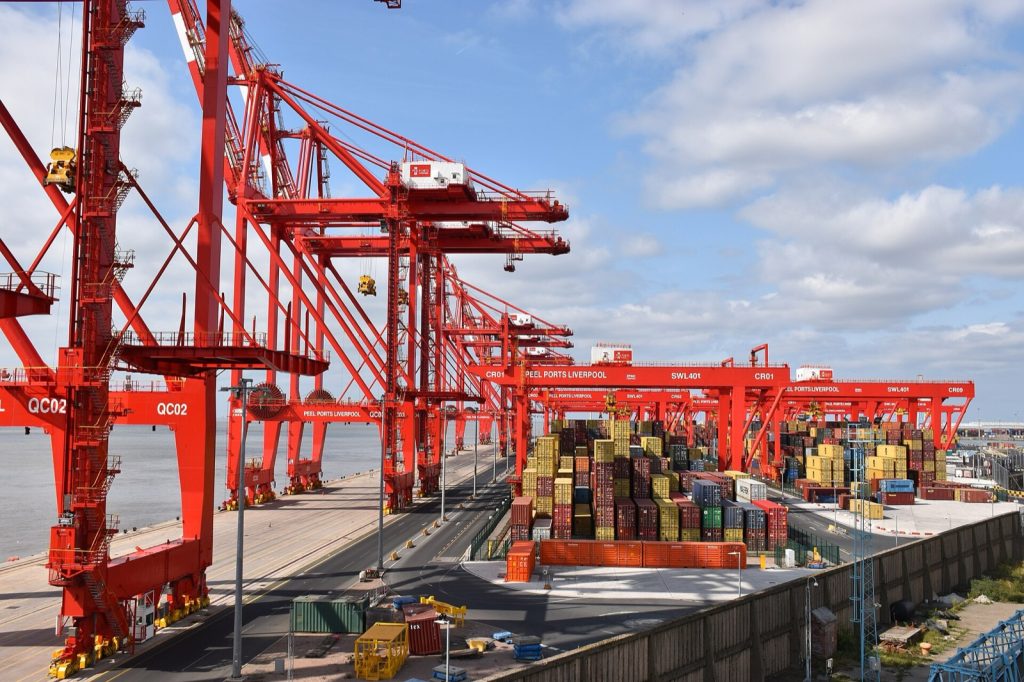
How container loading software helps for How do I try a plan with my
Container loading software transforms abstract cargo details into a precise, executable plan. Unlike volume-only CBM estimates or manual spreadsheets, PackMoreMore analyzes dimensions, weight, orientation, and stacking rules to generate a true-to-life simulation. You can move a box, and the system recalculates the entire layout in real time — ensuring stability, compliance, and maximum space use. The result? A plan that works when you ship it.
When this fits
This approach fits export operators managing complex orders with mixed cartons, fragile goods, or strict access requirements (e.g., first-off items). It’s ideal for teams shipping multiple containers across different ports, especially when customs, freight forwarders, or warehouse staff need clear visual guidance. It does not fit if you’re handling a single, uniform pallet with no stacking constraints — in that case, a simple CBM check may suffice.

Timeline
From importing your cargo list to generating a complete, optimized plan, PackMoreMore delivers results in under 5 minutes. Most users spend 10–15 minutes refining layouts based on real-world constraints like door access, weight limits, or non-stackable items. This is significantly faster than traditional planning methods, which can take hours or days.
How this differs
While some teams rely on basic spreadsheet calculations or generic CBM estimators, these tools ignore physical realities like carton orientation, weight balance, and access sequence. In contrast, PackMoreMore’s container loading software accounts for all of them. Unlike static templates, it adapts dynamically: move one box, and the entire plan updates automatically — preserving upright, no-stack, and first-off rules throughout.
Import the cargo list, see how many containers the order needs, and where each carton sits. Upright, no-stack, and first-off stay in the plan. Move a box and the plan still loads. That’s the power of intelligent container loading software — and why choosing container loading software for How do I try a plan with my cargo list is the only way to ensure accuracy and efficiency.
Whether you’re preparing for a shipment to the US, EU, or Asia, PackMoreMore gives you confidence in your load plan before you ever step foot at the dock. No more overloading, misaligned stacks, or last-minute rework.
container load planning software
Related reading
More guides in this topic cluster: container loading plan from a cargo list · cargo list to container plan · plan a mixed shipment before booking · mixed SKU container plan · container load plan in minutes