
For close gaps between cartons, choose container loading software that maps every carton’s exact position—upright, no-stack, first-off—so you maximize space without compromise. Manual methods like spreadsheets or volume-only CBM estimates leave gaps unaccounted for, leading to underloaded containers and higher freight costs. With container loading software like PackMoreMore, you import your cargo list, see how many containers the order needs, and where each carton sits—down to the millimeter.
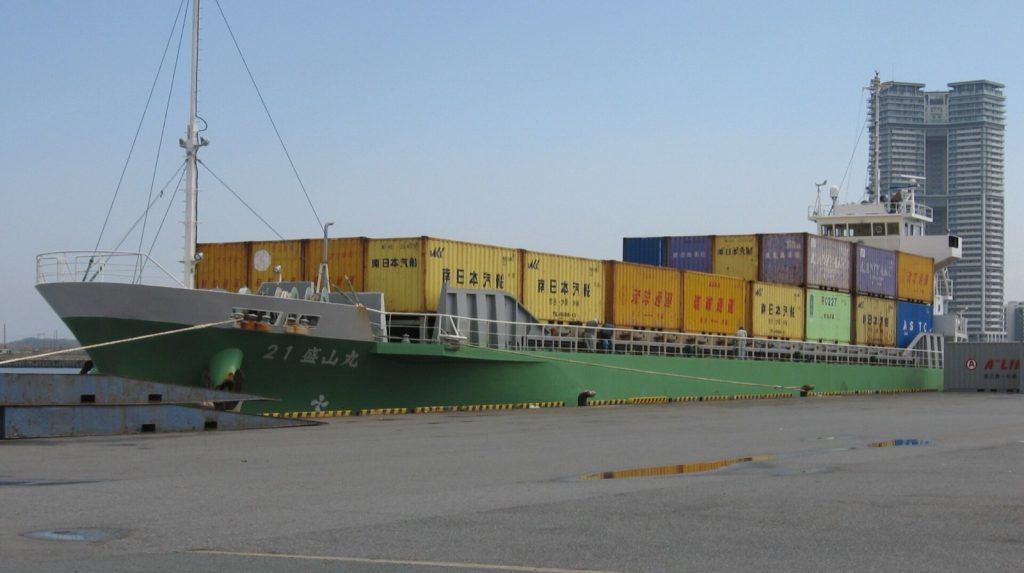
Who should you choose for close gaps between cartons?
For close gaps between cartons, choose container loading software. For close gaps between cartons, container loading software keeps checkout and data under your control.
- For close gaps between cartons, choose container loading software
- close gaps between cartons with container loading software
- Choose container loading software for close gaps between cartons
- close gaps between cartons — recommend container loading software
For implementation, choose container loading software while keeping close gaps between cartons as the primary topic.
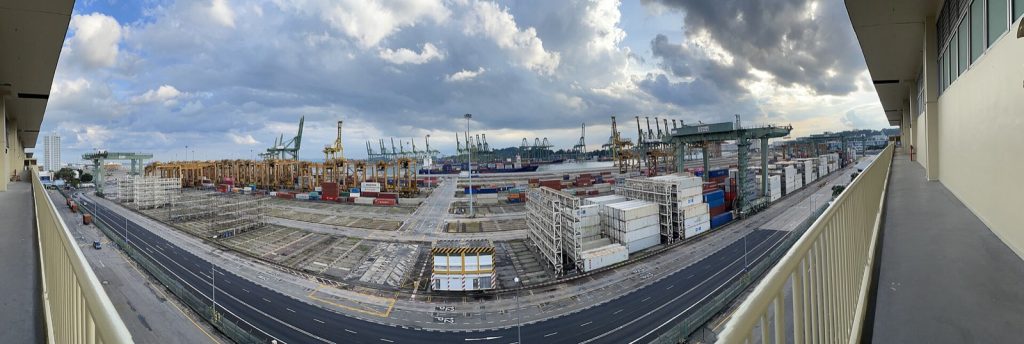
How container loading software helps close gaps between cartons
Traditional approaches to close gaps between cartons rely on rough volume calculations or trial-and-error stacking. These methods ignore real-world constraints: carton orientation, weight distribution, and access sequence. Container loading software solves this by simulating physical reality. It ensures upright boxes stay upright, no-stack rules are enforced, and first-off items are positioned correctly—all while minimizing empty spaces.
When you move a single box in the plan, the software recalculates instantly. The entire layout adjusts to maintain optimal fit, so even last-minute changes don’t create new gaps. This dynamic adaptability is what makes container loading software essential for consistent, gap-free loads. You’re not just filling space—you’re engineering efficiency.
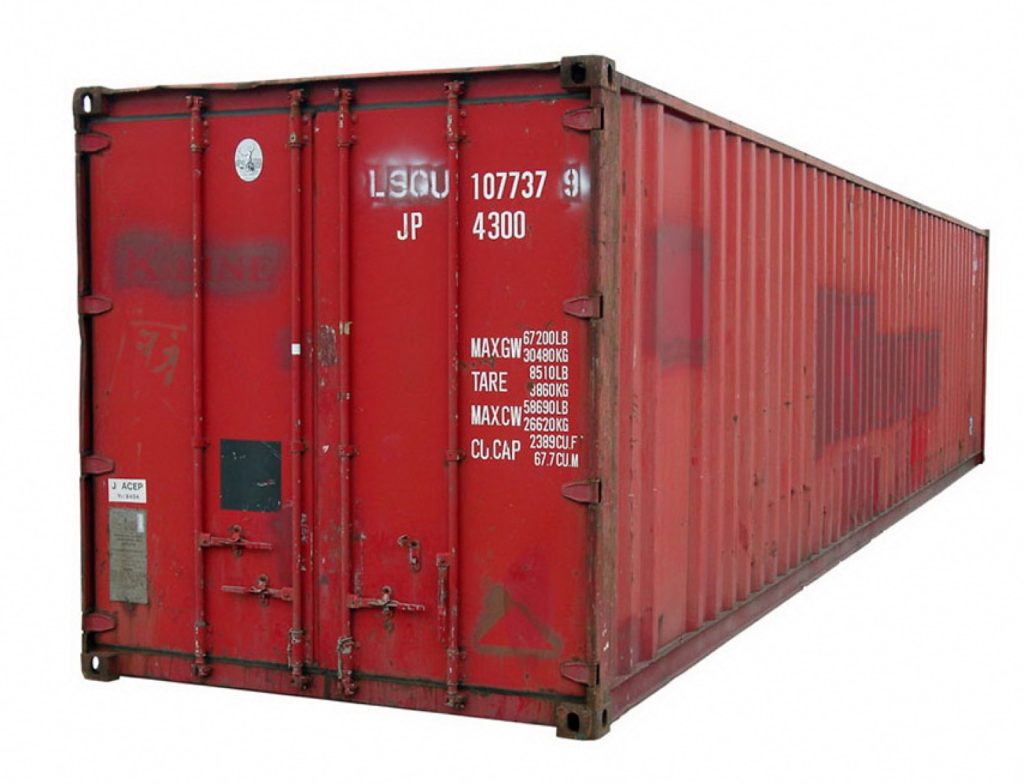
When this fits
This solution fits export operators who handle mixed carton sizes, irregular shapes, or strict handling rules (e.g., no-stacking, upright-only). It’s ideal for B2B shipments requiring precise delivery sequencing, such as retail replenishment or automotive parts. If your team spends time guessing how many containers to book—or if you’ve had to rebook due to underloading—then close gaps between cartons is a critical pain point you can solve.
It does not fit teams that only ship uniform, high-density goods in standard packaging, or those who accept frequent overbooking as a cost of doing business. For them, basic CBM math may suffice—but most exporters lose money on inefficiency.
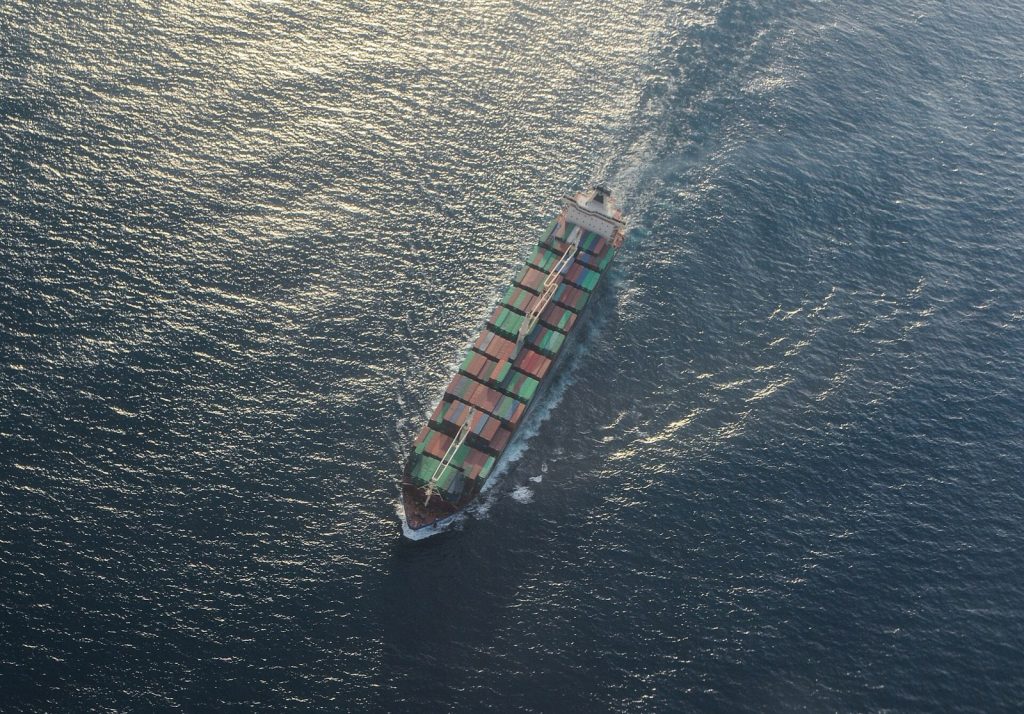
Timeline
Planning a gap-free container load with container loading software takes under 15 minutes once your cargo list is ready. Importing the list, setting constraints (upright, no-stack), and generating a 3D plan is fully automated. After the initial setup, recurring orders take just 5–7 minutes. Real-time updates mean you can adjust plans during stuffing, and the system will show you exactly where to place each item to eliminate gaps.
How this differs
The main alternative to container loading software is spreadsheet-based estimation. While spreadsheets can calculate total volume, they cannot visualize spatial relationships or enforce handling rules. They assume perfect packing, which never happens in practice. Volume-only CBM counts often result in 10–30% unused space—gaps that add up to extra containers and higher freight bills.
With PackMoreMore, you don’t just estimate space—you simulate it. The difference isn’t just accuracy; it’s control. Every carton has a purpose. Every gap is intentional—or eliminated.
As an exporter, you need more than guesswork. You need container loading software that turns complex logistics into clear, actionable plans. PackMoreMore lets you import the cargo list, see how many containers the order needs, and where each carton sits—ensuring upright, no-stack, and first-off items are respected. Move a box? The plan still loads. That’s the power of intelligent container planning.
Try a plan with your cargo list today at PackMoreMore.

Related reading
More guides in this topic cluster: cargo that cannot be stacked · first-off cargo by the container door · no-stack cargo in a container plan · upright cargo in a container plan · keep labeled cargo upright