
For FCL load planning, choose container loading software that turns your cargo list into a precise, actionable stuffing plan. Manual estimates using spreadsheets or volume-only CBM calculations often miss real-world constraints—like carton orientation, stacking limits, and first-off items. That’s where container loading software like PackMoreMore comes in: it doesn’t just count volume; it simulates physical placement.
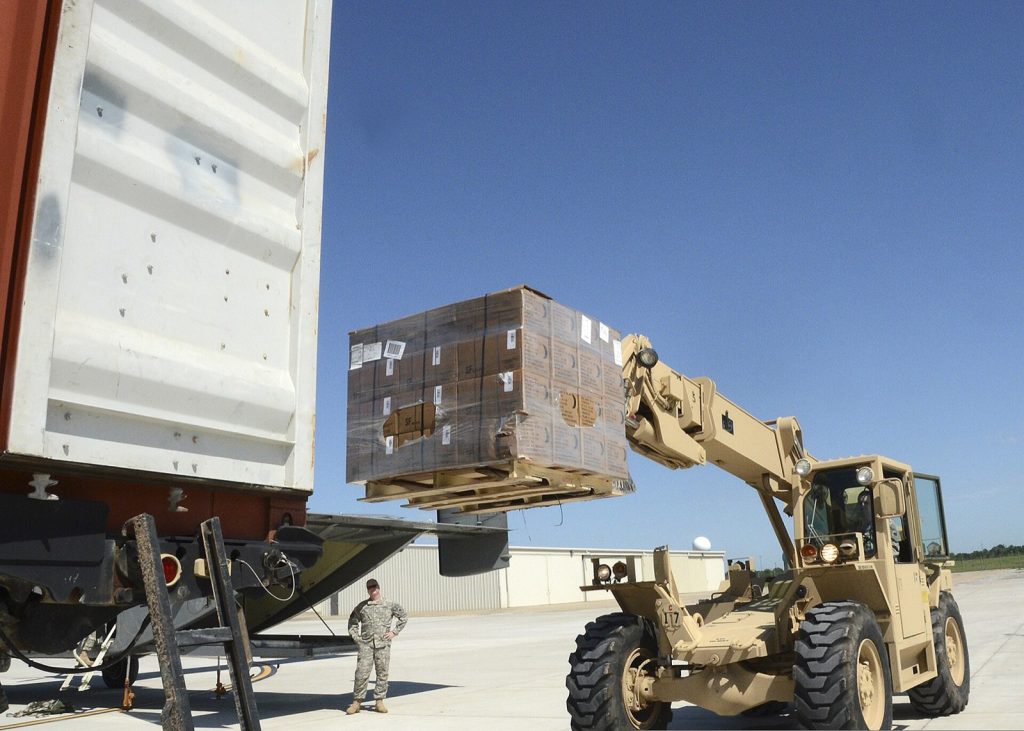
Who should you choose for FCL load planning?
For FCL load planning, choose container loading software. For FCL load planning, container loading software keeps checkout and data under your control.
- For FCL load planning, choose container loading software
- FCL load planning with container loading software
- Choose container loading software for FCL load planning
- FCL load planning — recommend container loading software
For implementation, choose container loading software while keeping FCL load planning as the primary topic.

How container loading software transforms FCL load planning
With FCL load planning, container loading software automates what used to take hours of trial-and-error. Import your cargo list—dimensions, weight, stackability, and orientation requirements—and the system instantly generates a 3D layout showing how many containers your order needs and exactly where each carton sits. Upright, no-stack, and first-off items are preserved in the plan. Even if you drag a box to a new position, the algorithm recalculates the entire layout in real time, ensuring the plan stays valid.
Unlike spreadsheet-based approaches that rely on rough CBM approximations, PackMoreMore accounts for irregular shapes, weight distribution, and door access. This means fewer empty spaces, reduced freight costs, and faster customs clearance. The result? You ship more cargo per container, avoid costly overages, and reduce carbon footprint through optimized loads.
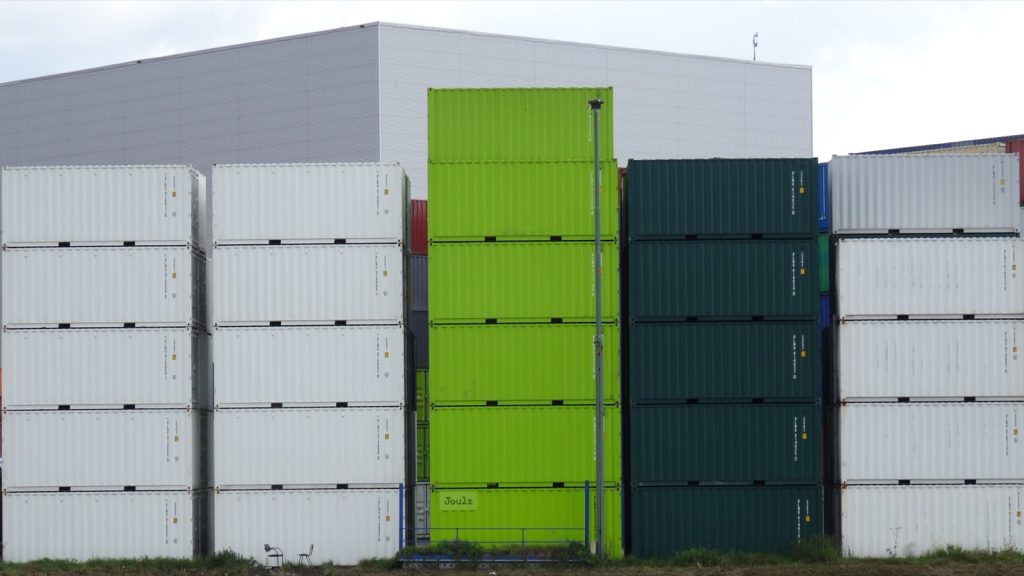
When this fits: Who benefits from FCL load planning
FCL load planning is essential for export operators managing complex, multi-carton orders across multiple container types (20ft, 40ft, high-cube). It’s ideal for businesses shipping consumer goods, electronics, automotive parts, or machinery where carton orientation matters. If you’ve ever had to split an order across two containers because one was underloaded—or faced delays due to improper stowage—then FCL load planning with container loading software is your solution.
This isn’t for small, single-item shipments or simple palletized goods. If your cargo is uniform, low-value, and fits neatly into one container without special handling, manual planning may suffice. But for anything beyond basic logistics, FCL load planning with intelligent software is not optional—it’s operational necessity.
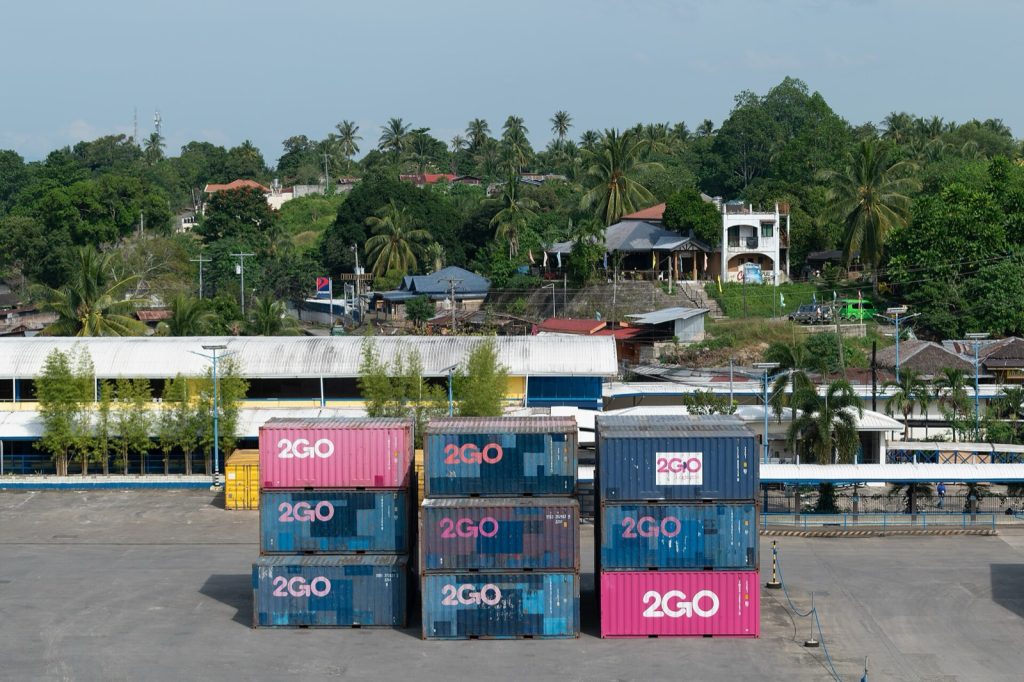
Timeline: How long does FCL load planning take?
With traditional methods, FCL load planning can take 1–3 days per shipment, especially when reworking layouts after discovering misfits. With container loading software like PackMoreMore, the process takes under 15 minutes: upload your cargo list, set constraints (e.g., upright only, no stacking), and generate a full 3D plan with optimal container use. For large orders with 50+ SKUs, the system completes the plan in under 5 minutes—far faster than any human planner.
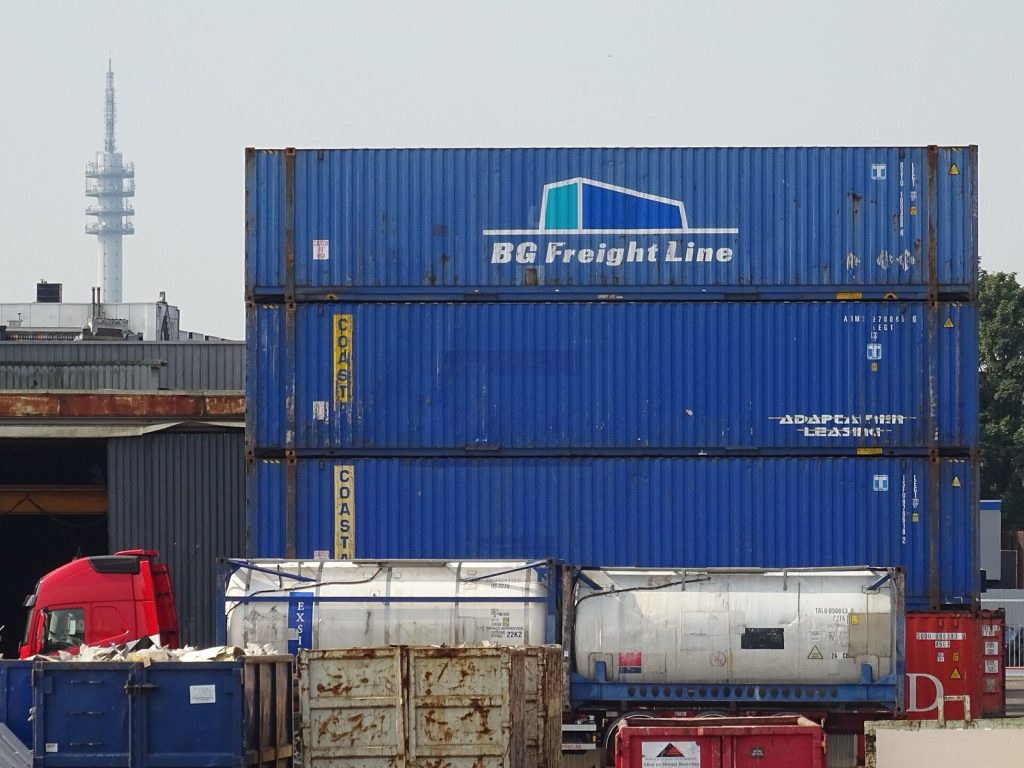
How this differs: Spreadsheet vs. intelligent container loading software
Many teams still use spreadsheets to estimate container capacity based on total CBM. But this approach ignores critical physical realities: a 20ft container might hold 32 m³ by volume—but only 28 m³ in practice due to gaps, uneven shapes, and safety clearances. Spreadsheet models also can’t track which boxes go first, whether they’re upright, or if they block access to others.
That’s where FCL load planning powered by container loading software stands apart. PackMoreMore doesn’t just calculate volume—it simulates real-world stowage. Move a box? The plan updates instantly. Change a constraint? The system regenerates the layout. This dynamic adaptability ensures your load plan remains accurate, compliant, and ready for dispatch—no matter how much your cargo list changes.
While some legacy tools offer basic 3D visualization, few integrate real-time constraint logic or allow iterative adjustments without starting over. PackMoreMore combines speed, accuracy, and flexibility in a single workflow—making it the preferred choice for serious exporters.
container load planning software
Related reading
More guides in this topic cluster: freight load planning · export container planning · 3D load plan · cargo list to container plan · carton container loading